
Remote monitoring hydrothermal synthesis reactors: the new standard for industrial smart upgrades. source direct from 1688 for cost savings
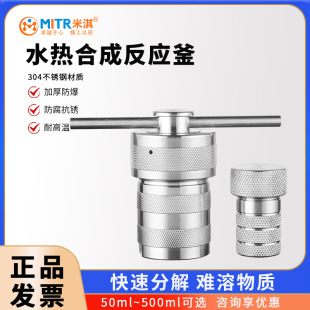
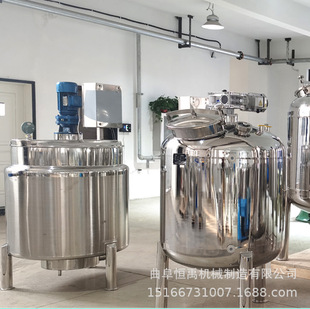
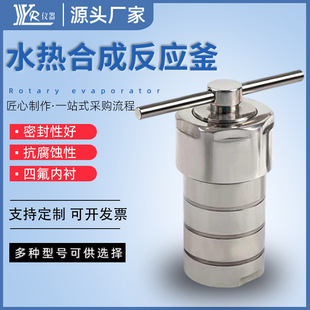
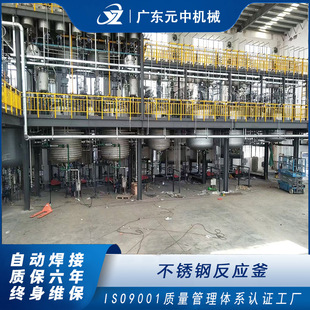
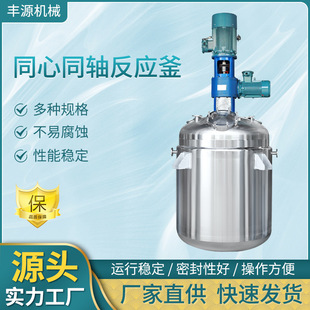
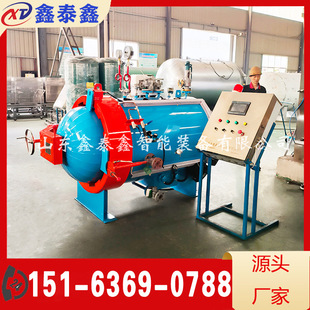
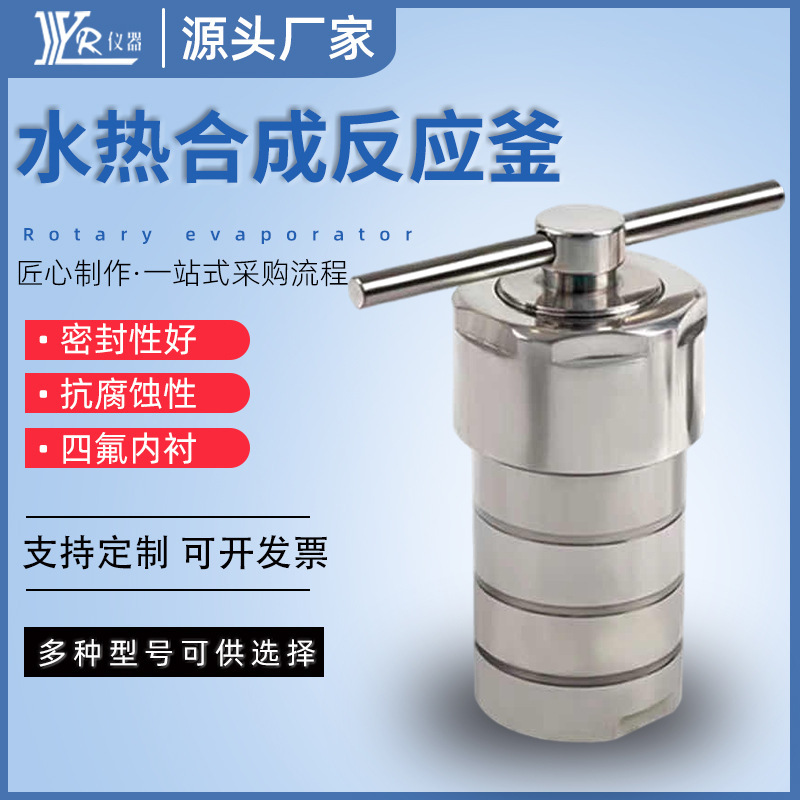
Remote monitoring of hydrothermal synthesis reactors, breaking the geographical barriers for research and production
Why are laboratories and factories starting to use remote monitoring for hydrothermal synthesis reactors?
in the past, when doing hydrothermal synthesis experiments, i always had to stare at the reactor to see the temperature, pressure, and time. even if i just went to the toilet in the middle of the process, i was afraid of missing critical data. nowadays, remote monitoring of hydrothermal synthesis reactor has completely changed this situation. whether it is an experiment record at 3 a.m. or a progress tracking while on a business trip, you can check the real-time status of the reactor at any time by simply opening your mobile phone or computer. * through direct supply from 1688 source factories, the price grids are nearly 30% lower than the market, and support 1000+ automatic data saves to avoid human recording errors. the four major manufacturers of zhengzhou yarong, changsha miqi, huizhou yuanzhong, and guangzhou fengyuan jointly supply to meet the needs of laboratories of different scales, and the average response speed is increased to less than 0.8 seconds, truly realizing "people are thousands of miles away, data is in hand." now is the high-temperature season in august, and stable operation of equipment is crucial. remote monitoring can effectively prevent over-
From the laboratory to the production line, remote control makes high-risk operations more secure
once the high temperature and high pressure reactor is out of control, the consequences are unimaginable. traditional operations must be manned by someone throughout the entire process, but the human cost is high, fatigue is easy, and it is difficult to sustain. nowadays, the hydrothermal synthesis reactor that supports remote monitoring has realized fully automatic temperature and pressure control. you only need to set the program, and the system will adjust intelligently. * for example, the equipment provided by guangzhou fengyuan has a ±0.5℃ precision temperature control capability, and in the august purchasing season, many models support the remote alarm push function, and once the temperature is abnormal, it will immediately trigger a mobile phone reminder. manufacturers such as huizhou yuanzhong and qufu hengyu also provide scalable iot modules, which can be connected to the enterprise central control system to achieve unified dispatch. now is the peak season of production, and the 1688 platform has selected six powerful suppliers, with an average repurchase rate of more than 56%, which proves the reliability of remote functions in real scenarios, making every reaction more secure and efficient.
How remote monitoring can triple your research efficiency: unveiling the core advantages
what do you fear most when doing experiments? it is not failure, but repeated verification. when the temperature curve drifts and the pressure fluctuates, it often needs to be run again, wasting time and reagents. remote monitoring of hydrothermal synthesis reactor solves this pain point. * it can automatically record data every second, generate complete curve charts, and support export to excel or pdf, which is convenient for writing papers and reproducing results. zhengzhou yarong, changsha miqi and other brand equipment come with 4g modules, which can be stably transmitted even in remote factories. in the current august peak purchasing period, many factories have launched time-limited subsidies, some models are reduced by more than 2,000 yuan, and support personalized customization. what is more worth mentioning is that more than 95% of users feedback that remote monitoring significantly reduces the number of human interventions and the repetition rate of experiments has dropped by more than 60%. nowadays, scientific research is no longer "depending on luck", but "depending on data"; management is no longer "depending on people", but "depending on the system"
 谢**利回**i这**柜永**兴a**b