Recyclable pps eco-friendly material: setting a new benchmark for industrial-grade environmental protection, direct from the source at 1688 wholesale prices
Why is recyclable pps environmental-friendly material becoming the new favorite of industrial procurement? double act of high quality and low price
How to easily resolve the "pain points" of industrial material procurement?
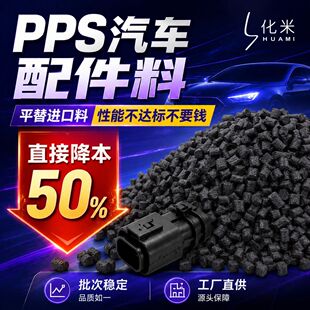
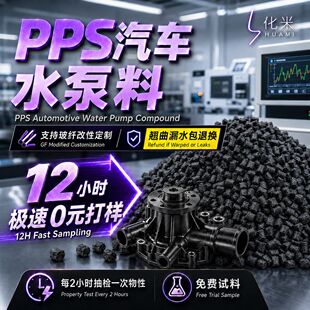
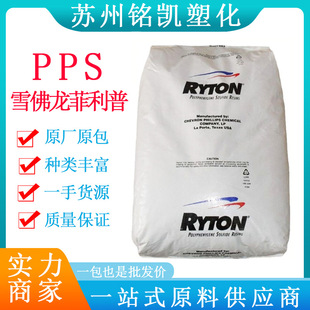
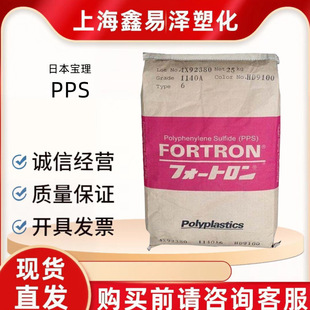
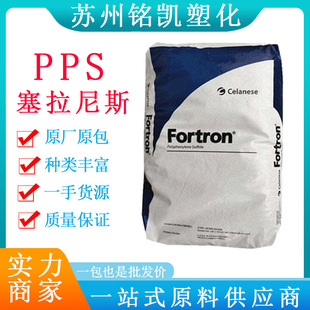
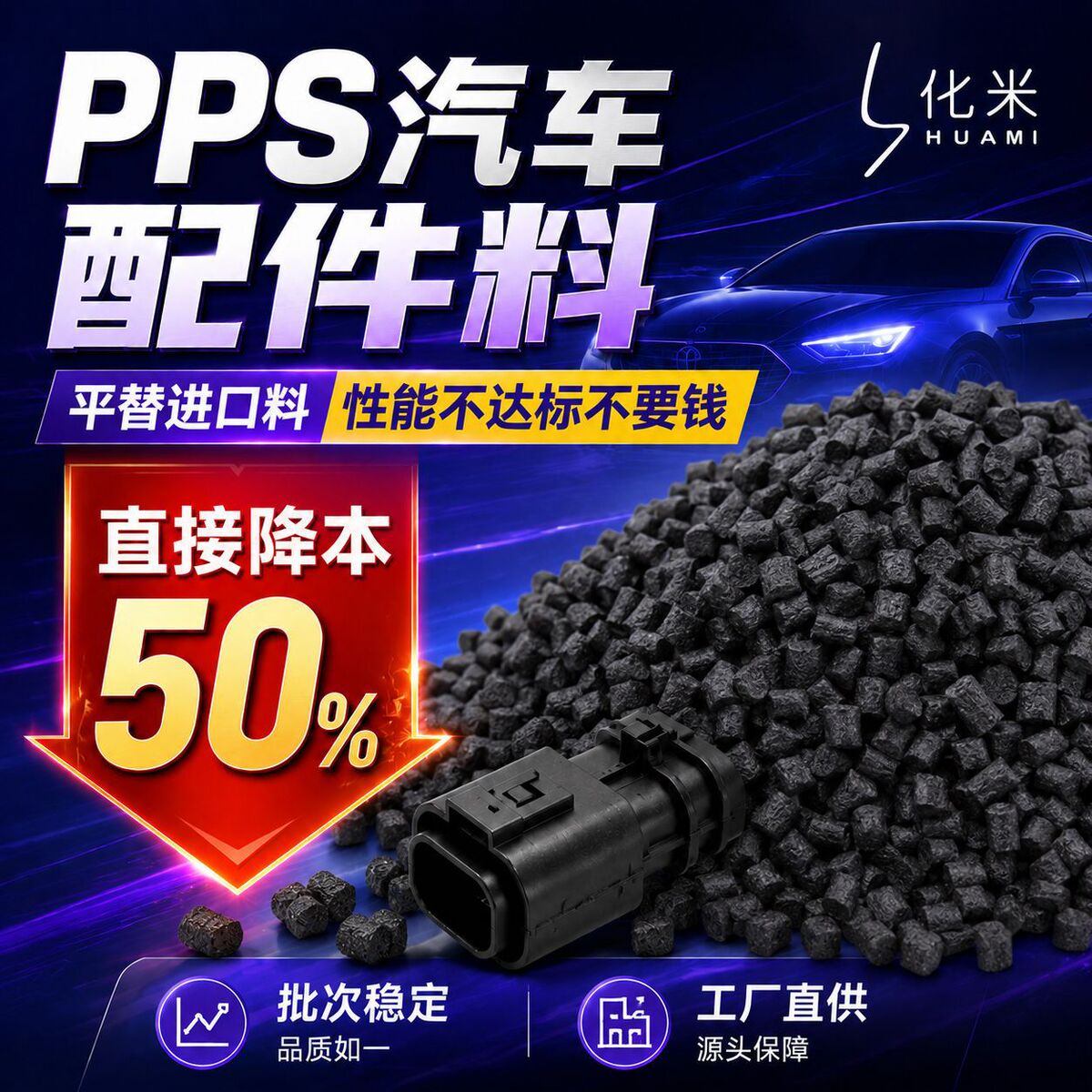
In traditional industrial material procurement, issues like high supplier quotes, long lead times, and inconsistent samples can be a real headache for business owners. especially when you need to source large quantities of recyclable, eco-friendly pps materials, even the slightest mistake can lead to production interruptions due to batch-to-batch variations. but now, by connecting directly to source factories through the 1688 platform, these problems are being systematically solved. take guangdong huami material technology, for example. their "pps gf40 fiber reinforced modified plastic" not only boasts a high cost-performance ratio of $14.65/kg, but also supports small-batch trial orders, meeting the research and development needs of different stages. suzhou mingkai plastic's american chevron phillips series materials achieve the perfect combination of high rigidity and flame retardancy at a price of $24.27/kg. these high-quality materials all come from verified factories, with a 98.5% response rate and 39 recent new arrivals, ensuring stable and controllable procurement cycles. more importantly, all materials have passed strict environmental certifications, making them recyclable, truly achieving higher quality without the higher cost. choosing 1688 isn
Why are recyclable materials the "invisible cost killer" of future industrial procurement?
Facing increasingly stringent environmental regulations and carbon neutrality goals, traditional non-degradable materials are facing a crisis of replacement. the emergence of recyclable pps eco-friendly materials is quietly becoming a key lever for businesses to reduce costs and increase efficiency. its core advantages lie in: high temperature resistance up to 260℃, and a high heat distortion temperature of 240℃, far exceeding that of ordinary plastics, making it widely applicable in high-demand fields such as automotive components, electronic packaging, and pump and valve systems. furthermore, its good fluidity and smooth injection molding significantly reduce energy consumption and scrap rates during the production process. according to feedback from multiple suppliers, adopting this type of material results in an overall production efficiency improvement of over 15%. more importantly, purchasing through the 1688 platform allows direct access to large-scale factories with annual capacities exceeding 5,000 tons, such as guangdong huami material technology, ensuring a stable supply of 1800+ pieces. compared to traditional channels, the average procurement cost is reduced by over 20%. at this critical juncture in august 2026, businesses should seize the dual benefits of policy and market trends, and deploy sustainable
From "affordable" to "worth using", how can recyclable materials reshape purchasing logic?
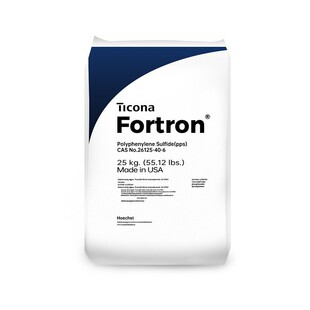
In the past, high-quality materials were always synonymous with high prices. however, this paradigm is shifting with the deep integration of the supply chain on the 1688 platform. take, for example, the japanese polyplastics 6165a4 series offered by changshu xinyize plastic business department. its low price of 9.70 rmb/kg is backed by core performance features such as low warpage, high rigidity, and halogen-free flame retardancy. conversely, the american celanese 1130l4 offered by suzhou mingkai plastic chemicals, while priced at 31.34 rmb, excels in high-end applications due to its 6565a6 standard and outstanding chemical resistance. these figures aren't isolated incidents; they stem from the collaborative supply of six strong suppliers on the platform. among them, huami (guangdong) material technology has built a reliable reputation with a 94.4% positive feedback rate and a loyal following of 468 fans. what's more, all materials support flexible cooperation models such as turnkey solutions and processing services, eliminating the need
 匿名购买t**3匿名购买t**6匿名购买