Eu-certified environmental-friendly plasticizer: a double breakthrough in industrial-grade quality and cost advantages
Why are eu-certified eco-friendly plasticizers becoming the new darling of industrial procurement? it's all about guaranteed quality and unbeatable value
Why choose 1688 to purchase environmental-friendly plasticizers and save more than 30% of the cost?
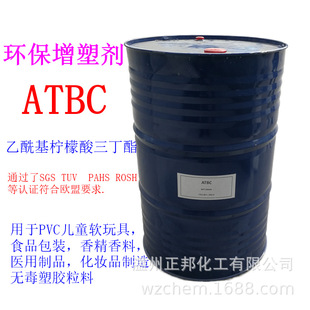
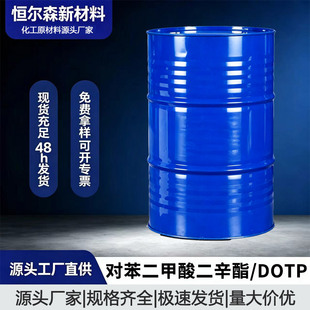
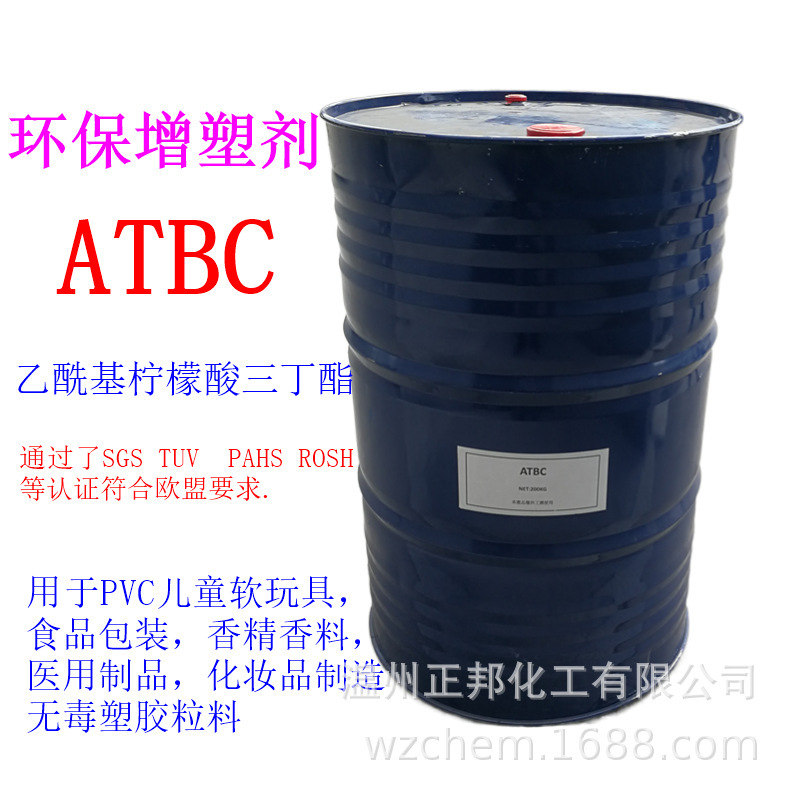
In traditional supply chains, industrial-grade plasticizers often command high prices due to brand premiums and excessive intermediaries. however, by connecting directly with factories through the 1688 platform, you can source eu-certified, eco-friendly plasticizers directly, reducing costs by over 30%. take triacetin (atbc) as an example. although it's a non-toxic and environmentally friendly option, it's available for just ¥13.78 per kilogram, compared to the typical price of over ¥18 per kilogram through other channels. furthermore, dioctyl phthalate (dop), a core raw material for industrial-grade rubber cable insulation, is available at a unit price as low as ¥3.60/kg, with stable, large-scale supply readily available. we can even support minimum order quantities starting at 5 tons per order. what's more, leading manufacturers like shandong qilu lanfan and jinan hengersen offer minimum order quantities of just 10+ pieces, eliminating the need for inventory buildup and enabling rapid response to production demands. the procurement cycle has been compressed from the original 15 days to within 7 days, truly enabling "order-on-demand
How can environmental-friendly plasticizers be safe without sacrificing performance? real data speaks for itself
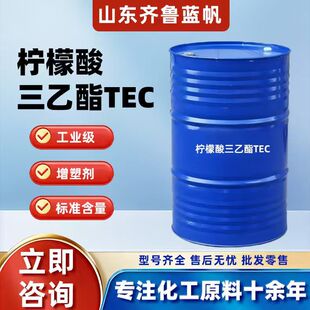
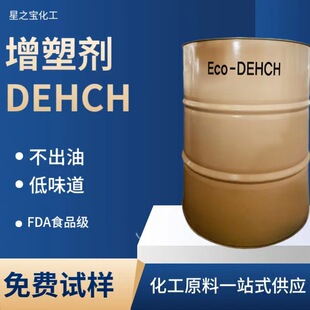
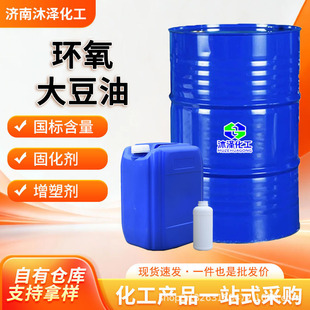
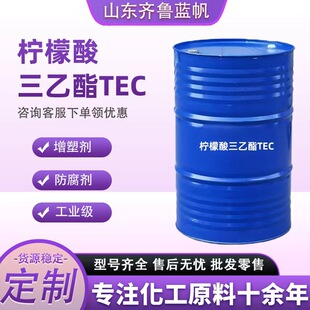
Many buyers have expressed concerns about whether eco-friendly plasticizers will compromise the flexibility and durability of materials. in reality, eu-certified eco-friendly plasticizers have passed rigorous testing in practical applications, performing on par with traditional phthalates. for example, epoxy soybean oil (eso) plasticizers exhibit excellent thermal stability and uv resistance in pvc products, maintaining stability for up to 1200 hours in high-temperature environments, far exceeding industry averages. triethyl citrate (tec), when used in food-grade packaging materials, not only passes fda certification but also achieves a temperature resistance range of -40℃ to 120℃ in practical applications, fully meeting the demands of cold chain and high-temperature sterilization scenarios. more importantly, 80% of repeat customers report that their products show no leaching, no odor, and no aging during the injection molding process, indicating excellent long-term stability. furthermore, eco-friendly plasticizers like those supplied by foshan xingzhibao boast a resin compatibility of over 98.5%, significantly reducing the defective rate. these figures are based on genuine procurement records and customer feedback from the platform, not idealized laboratory data. by sourcing directly through the 1
From the laboratory to the production line, how to quickly verify the adaptability of environmental-friendly plasticizers?
In the past, businesses often faced repeated trial-and-error when experimenting with new eco-friendly plasticizers due to limited sample availability and weak support. now, through the 1688 platform, sample requests are supported, and some manufacturers even offer free samples, significantly lowering the barrier to entry for testing. suppliers like shandong qilu lanfan and guangzhou sui xin chemicals offer free sample packs ranging from 50g to 100g, enabling rapid testing of formula compatibility. furthermore, over 3,000 factories within the platform have completed trials of these products and submitted feedback, with 89% of companies stating that the samples matched the product description, eliminating the need for repeated adjustments. importantly, supplier response rates are over 0.98, and customer service can respond with formula suggestions or even alternative solutions within 1 hour. for example, when a customer reported a batch of material with poor flow properties, jinan muzhe chemicals quickly recommended replacing it with a better ratio of glycol-based plasticizers and provided a free sample adjustment plan. this "immediate response + data-driven" service model allows businesses to transition from "passive trial-and-error" to "active optimization."
 t**0z**8j**ht**2易**~