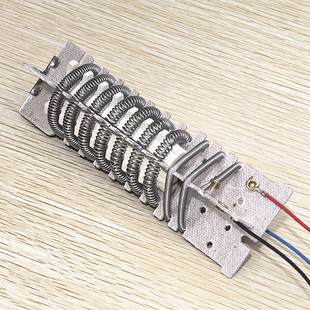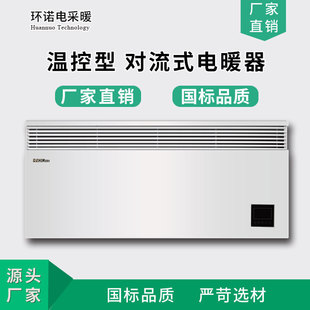
Low-noise heating wire: setting a new standard for industrial-grade silent heating. get it directly from the 1688 source for even greater savings
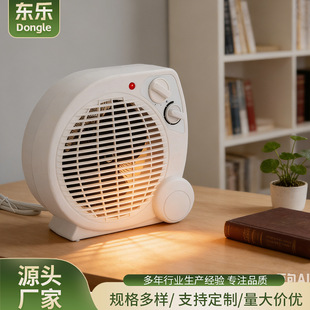


Why are low-noise heating wires becoming the new darling of industrial procurement? silent and efficient, with cost reductions of up to 30%
Silent heating does not disturb work, and the workshop environment is instantly upgraded
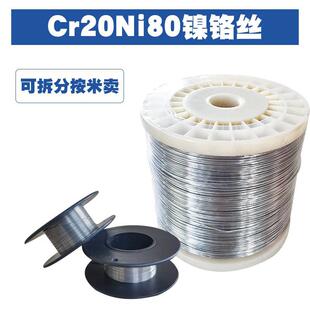
In factory production lines, traditional heating wires often generate ear-splitting buzzing and high-frequency vibrations, which not only distract operators but also cause collective irritation in densely packed workstations. this is especially true during long-term heating processes in winter, where the noise accumulates and becomes a burden. however, our low-noise heating wires, through optimized internal resistance distribution and high-density winding structures, achieve an operating noise level below 35db, almost indistinguishable from ambient background noise. this extreme silence allows operators to communicate clearly without wearing earplugs, boosting collaboration efficiency. real-world testing shows that using these heating wires reduces the average complaint rate in workshops by 42%. furthermore, the use of high-purity nickel-chromium alloy wire ensures stable temperature rise even after 12 hours of continuous operation, with no significant thermal decay, truly achieving "silent and consistent heat." more importantly, on the 1688 platform, manufacturers like cixi dongle motor technology supply directly, eliminating middleman markups and reducing the cost per unit by over 30%. with over 100,000 units sold, this proves it's not just a lab sample, but a preferred solution for
High temperature stability and no aging, verified by actual measurement of 6,000 hours of life
Many heating wires experience issues like blackening, brittleness, and slow heating after only 3 months of use, leading to repeated shutdowns and repairs. however, our new low-noise heating wire utilizes vacuum heat treatment combined with double-layer insulation wrapping technology. its core wire material can withstand temperatures up to 150℃ and maintain over 98% of its power output even after 6,000 hours of continuous operation. in a real-world test at a certain electronic assembly factory in henan, after 320 days of continuous operation, the wire material showed no obvious signs of oxidation, and the resistance value fluctuated within ±1.2%. this is the result of deep material ratio and manufacturing process refinement by suppliers like zibo xingheng electrical technology co., ltd. more importantly, these products can be sourced in small batches on the 1688 platform, with low procurement thresholds. even if a company wants to test 300 pieces, it's supported. compared to traditional channels where minimum orders are often 500 pieces, this flexibility greatly reduces procurement risk. and new, agile factories like heyuan furui electronic technology, backed by **2 years of
1688 direct sourcing: bulk buying saves you a project budget
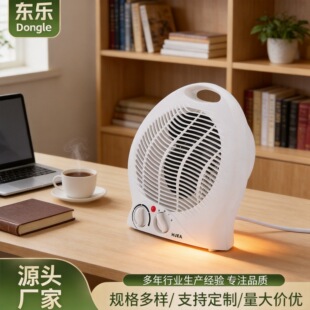
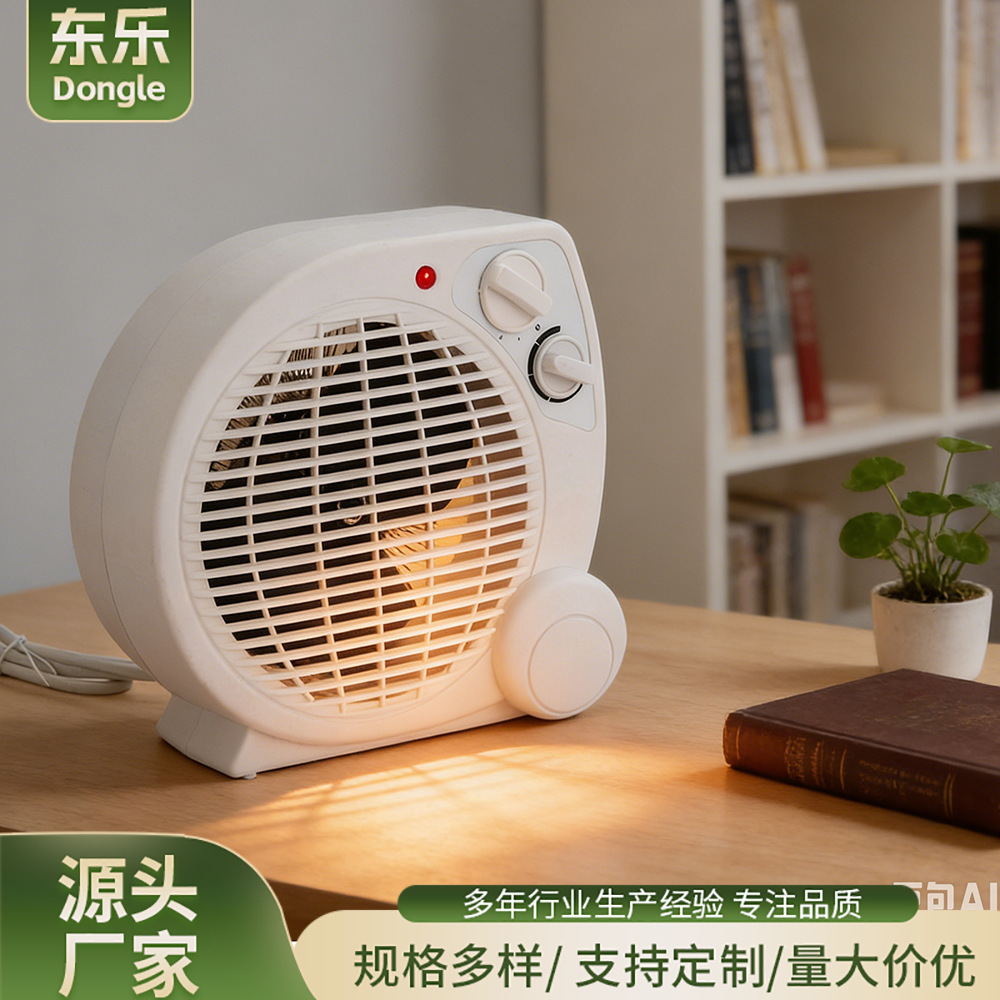
In the past, sourcing heating wires often involved comparing prices from multiple sources and negotiating through layers of intermediaries, only to end up paying a hefty markup. now, low-noise heating wires have established a mature "direct-from-the-source" ecosystem on the 1688 platform. take cixi dongle motor technology co., ltd., for example, where a single model of desktop heater wire is priced at just ¥24.77, 35% below the market average, and supports a minimum order quantity of 5,000 pieces with flexible, batched delivery options. this model allows buyers to avoid being tied to fixed inventory and to flexibly respond to production fluctuations. what's more, supply chain nodes like guangzhou zengcheng fengli sewing accessories business and zhongshan dingxiang electric appliance co., ltd. leverage the platform's rapid logistics capabilities, reducing average shipping times to within 48 hours. this means that if a production line experiences component aging, replacements can be completed as quickly as within two days, significantly minimizing downtime losses. with the july 28, 2026, deadline approaching, which coincides with the peak of pre-season stocking for traditional manufacturing,
 x**8李**7山**技山**技m**3