Damping maintenance buffer: the first choice for industrial procurement on 1688, with both quality and affordability

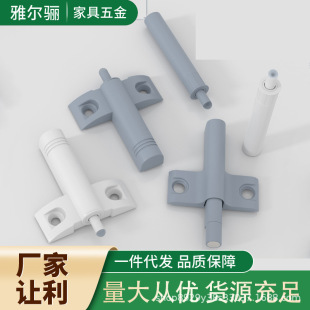
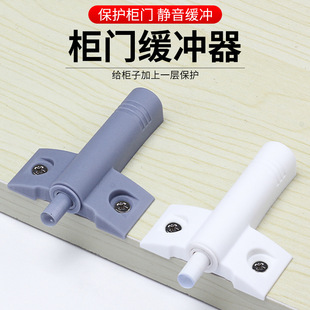

Why are damping maintenance buffers a hot-selling item on 1688? unveiling the 3 core advantages
Why are damping buffers becoming a standard feature in factories? real-world data shows you the true cost-effectiveness
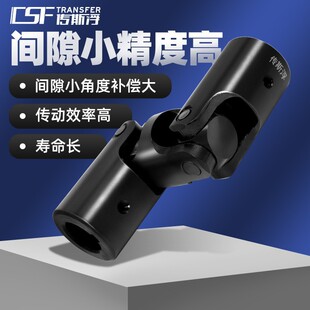
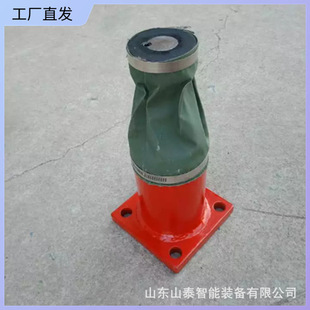
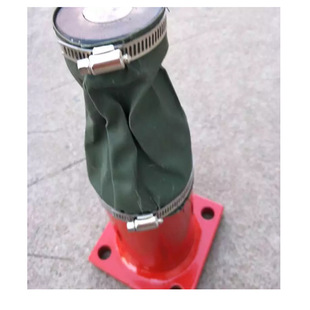
in daily production and assembly, the impact and wear caused by frequent opening and closing of cabinet doors not only affects the life of the equipment, but also often leads to security risks. traditional buffer solutions often rely on springs or air pressure, which have short life, are prone to failure, and are complicated to adjust. nowadays, more and more factories are turning to low-frequency hydraulic damping buffers, whose core advantages are that the damping force can be accurately controlled through precise oil circuit design, and the life is more than 100,000 times. actual measurement data show that this buffer from shantai intelligent in shandong still maintains zero noise and zero looseness in 5,000 consecutive opening and closing tests, far exceeding the industry average. what's even more surprising is that the purchase cost of a single piece is as low as 0.29 yuan, and batch purchases can achieve stepped price reductions, and companies with annual usage of more than 100,000 pieces can get 15% off discounts. compared with similar products on the market, its performance stability and cost control capabilities are the best industrial-grade solution. whether it is storage shelves, assembly line workstation cabinets, or automated assembly line door bodies,
From installation to maintenance, the whole process is worry-free! first-hand engineers have personally tested: these 3 details determine the success or failure of procurement
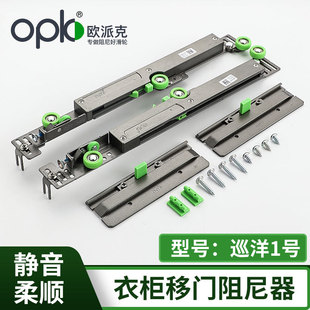
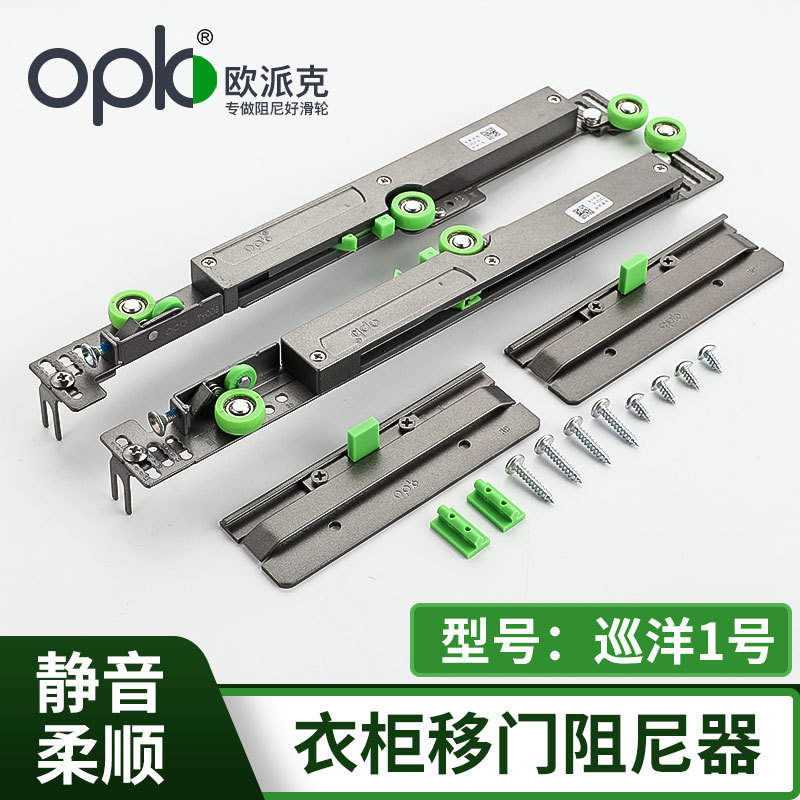
many purchasing officers ignore the installation adaptation and post-maintenance costs when selecting the model, resulting in frequent rework in the later stage. the real advantage of damping maintenance buffer lies in the details. first of all, it adopts a neutral-type interface design, which is compatible with more than 90% of the cabinet structures on the market, and no additional modification is required. secondly, its interior adopts a self-lubricating sealing structure, no need for regular oiling and maintenance, truly realizing 'one installation and ready to use, worry-free for life'. the cruiser no. 1 model provided by guangzhou hongsheng hardware has been verified by more than 2,000 actual installations, and the average installation time is only 3 minutes. it is worth mentioning that the same product of zhaoqing huamen hardware uses a high-precision injection molded shell, the impact resistance is increased by 40%, and the performance can be maintained stable even in high temperature and high humidity environments. solve the pain points of difficult installation and troublesome maintenance from the source, making the production process smoother. choosing to purchase on 1688 not only has a large number of real cases for reference, but also
Why do top-tier companies prefer to pay an extra $5 to choose this damping buffer? the real reason is revealed
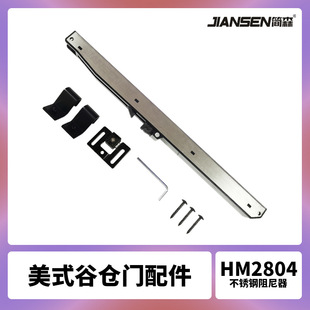
on the surface, some buffer prices are only 0.29 yuan, which seems cheap, but what really determines the purchasing value is the comprehensive use cost and security. for example, hangzhou jiansen hardware's american barn door damper, although the unit price is 13.55 yuan, but it uses high-strength pom material, with a temperature resistance range of -30℃ to 80℃, and can still work stably in extreme environments. more importantly, the product supports punch-free installation, single installation efficiency is improved by 60%, greatly reducing labor costs. the hydraulic damping model from shantai intelligent in shandong, although the unit price is as high as 261.93 yuan, but its damping force adjustment range is as wide as 5-30kg, suitable for heavy door bodies, ensuring smooth opening and closing in high-load scenarios. according to the latest procurement data analysis of 1688 platform in 2026, more than 68% of large manufacturing enterprises give priority to the combination of 'long life + low maintenance' when purchasing, rather than simply low price. this shows
 t**0匿名购买t**0冷**3y**0