

Technical parameters and selection criteria for thickened bubble wrap foam
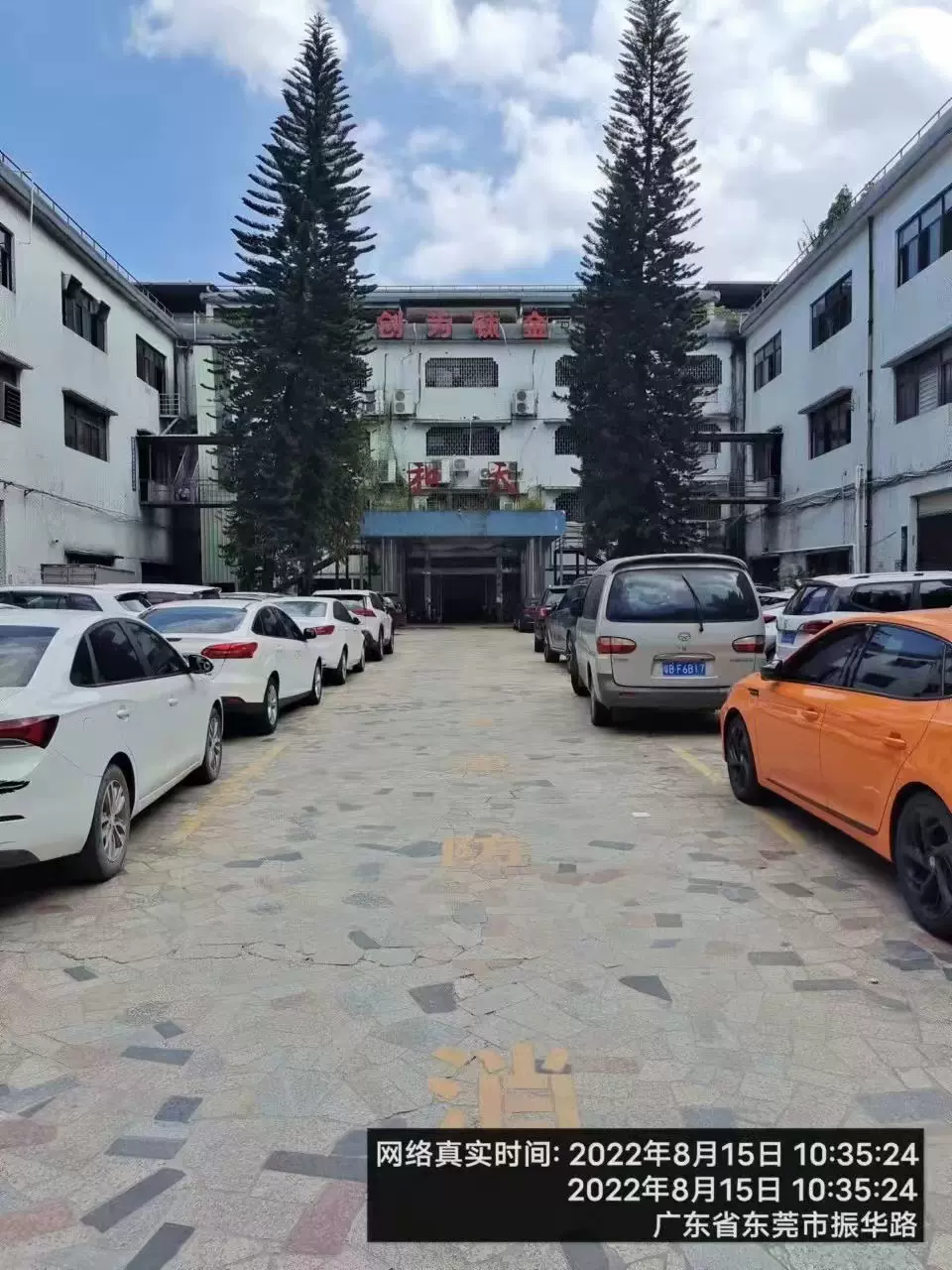
When purchasing shock-proof packaging materials, many buyers only focus on "thickness", but ignore key technical indicators such as density, compression strength, and rebound rateThickened, shock-resistant foam is a common cushioning material used for electronics, precision instruments, fragile items, and in cross-border logistics. variations in its performance directly impact damage rates and packaging costs[shenzhen youshang packaging co., ltd.](https://boxsus.1688.com/We are a supplier with over a decade of experience in the packaging industry, specializing in aircraft boxes and cardboard boxes. our factory is located in dongguan, guangdong province. we've also developed expertise in selecting shock-absorbing materials for comprehensive packaging solutionsThis article outlines the core technical parameters, selection criteria, and key verification points for purchasing thickened, shock-resistant foam plastics, helping buyers on [1688]..https://www.1688.com/) to make more accurate decisions
click to view youshang packaging 1688 store
How to interpret key technical specifications for thickened shockproof foam?
The performance of bubble wrap foam cannot be judged solely by its thicknessThe following are the core technical parameters that need to be paid attention to when purchasing:
| Parameter | Description | Common range | Impact on procurement |
|---|---|---|---|
| Density (kg/m³) | Unit volume mass directly affects cushioning performance and cost | Epe pearl cotton: 18-45kg/m³; eps foam: 10-30kg/m³ | The higher the density, the better the cushioning performance, but the unit price and weight increase simultaneously |
| Compressive strength (kpa) | The ability of a material to withstand pressure without deformation | 20–200 kpa | High compressive strength suitable for heavy or stacked shipping scenarios |
| Rebound rate (%) | The ratio of returning to the original thickness after being compressed | 80%-98% | Low rebound rate means that the protective performance will decrease after multiple uses |
| Thickness (mm) | Material cross-sectional dimensions | 5–100 mm | The thickness needs to match the weight of the contents and the drop height |
| Closed cell rate (%) | The proportion of closed pores affects waterproof and thermal insulation properties | 90%-99% | High closed cell content suitable for humid environments or cold chain transportation |
| Thermal conductivity (w/m k) | Thermal insulation performance indicators | 0.03-0.045 | Cold chain or temperature-controlled packaging needs attention. |
| Water absorption (%) | Water absorption percentage after 24h immersion | <1%-5% | Cross-border sea transportation or high humidity environment requires low water absorption |
| Environmental protection indicators | Rohs, reach, fda food grade, etc. | According to export destination requirements | Exporting to europe and the us requires providing compliant testing reports. |
Please note that the parameter ranges above are industry-wide reference values. actual product performance should be based on the supplier's test reports and random inspections of bulk shipments.The parameter systems of different materials (epe, eps, eva, pu, etc.) are different. when selecting, you should first clarify the material type and then compare the parameters.
Why is "thickened shockproof foam" becoming a high-potential keyword for packaging procurement recently?
From [1688](https://www.1688.com/Based on business opportunity data for packaging categories, searches and inquiries related to "thickened shockproof foam" are showing the following trend signals:
cross-border logistics protection demands are rising: cross-border e-commerce sellers are increasingly demanding tighter control over fba (fulfillment by amazon) damage rates. traditional thin foam packaging is no longer sufficient for the protection required during long-distance shipping and multiple transfers. inquiries for thicker (20mm+) shock-absorbing materials have seen a significant increase. high-value category drivers: high-ticket items like electronics, precision instruments, artwork, and cosmetics demand superior cushioning performance compared to everyday goods, driving the need for thicker, high-density packaging materials. eco-friendly alternatives on the rise: due to restrictive regulations on eps (expanded polystyrene) in certain regions, thicker grades of recyclable materials like epe (expanded polyethylene) are becoming popular alternatives. customized inner lining needs: standard-sized foam boards struggle to fit irregularly shaped products. inquiries for custom die-cut inner linings are on the rise, driving suppliers to offer "thickened + custom" combo solutions.
These trend signals indicate that the growing demand for thickened, shock-absorbing foam plastics isn't just driven by the thickness itself, but also by performance upgrades and niche market segmentation.However, please note that the popularity of hot keywords fluctuates based on seasonality, platform promotions, and industry cycles. actual purchase volume and pricing performance are subject to real-time page information and inquiry communication.
Which one to choose, epe or eps? how to distinguish bubble wrap foam of different materials?
The shock-resistant foam plastics on the market are mainly made of the following materials, and each has its own focus on applicable scenarios:
| Material | Characteristic | Suitable for the scene | Limitations |
|---|---|---|---|
| Epe (pearl cotton) | Flexible, good rebound, recyclable, environmentally friendly | Electronic products, precision instruments, cross-border logistics | Unit price is higher than eps. for ultra-high compression scenarios, thickening is required. |
| Eps (styrofoam) | Light weight, low cost and good rigidity | Home appliances, large items, disposable packaging | Fragile, difficult to recycle, limited in some markets |
| Eva foam | Soft, temperature resistant, heat pressable | High-end electronic product lining, tool box | The cost is high and not suitable for large and heavy goods. |
| Pu foam | Excellent cushioning performance and can be cast and molded | Precision instruments, special-shaped products customized lining | The unit price is high and the mold opening cost needs to be shared. |
| Xpe (cross-linked polyethylene) | Closed cell, waterproof, chemical resistant | Cold chain, outdoor equipment, building insulation | The cushioning performance is weaker than epe |
Selection suggestions: cross-border export: epe is the preferred choice – excellent environmental compliance, stable rebound properties, and ideal for multiple transits.
- eps is optional for one-time domestic shipments: the cost advantage is obvious, but you need to confirm that there are no environmental-friendly restrictions at the destination. customized irregular products: choose pu or eva these materials can be hot-pressed or injection molded for a precise fit. however, mold costs will depend on the order volume.
- choose xpe or high closed-cell epe for cold chain or high humidity environments: waterproof performance is better than standard epe.
How do i confirm these parameters and terms when purchasing thickened bubble wrap foam?
In 1688when screening bubble wrap foam suppliers, it is recommended to check item by item according to the following list:
| Verification item | Why is it important? | Operation suggestions |
|---|---|---|
| Density measured value | The page marking density may differ from the actual density. | Request a third-party inspection report, or weigh and calculate the sample yourself after receiving it. |
| Compression strength and rebound rate | Determines the actual cushioning effect and service life | Request testing data and clearly specify the testing standards (e.g., gb/t 8813). |
| Material composition | There are big differences in material performance and environmental-friendly compliance | Material certification or msds is required, and rohs/reach report is required for export orders |
| Thickness tolerance | The tolerance of thickened grids affects assembly and stacking | Confirm the tolerance range (typically ±1-2mm), and perform random sampling inspections on bulk orders. |
| Personalized capabilities and moq | Custom-shaped linings require tooling, which impacts both cost and lead time. | Confirm mold fee, proofing cycle, minimum order quantity and schedule |
| Environmental certification | Material restrictions may apply to export destinations | Request the certificate number and verify the validity period and coverage by yourself |
| Delivery time and packaging | Large foam volume, high transportation costs | Confirm whether to ship by vacuum compression, logistics plan and cost |
| After-sales terms | Bulk arrivals may have uneven density or size deviation | Confirm return and exchange conditions, quality inspection window period and compensation standards |
For suppliers with whom you are cooperating for the first time, it is recommended to first take samples to test the cushioning performance (such as simulated drop tests), and then place small trial orders to verify consistency.With shenzhen youshang packaging co., ltd., for example, specializes in aircraft boxes and cartons, and can provide selection suggestions for shock-proof materials and supporting procurement services in packaging supporting solutions.The public page shows that its on-time performance rate is 98% and its service response rate is 93% (subject to the real-time page). the after-sales guarantee covers compensation for damage, reissue of missing parts, and return/exchange for quality issues.
How do you calculate the procurement cost of thickened, shock-resistant foam? what are the hidden costs to consider?
When sourcing shock-absorbing foam, consider more than just the unit price. you also need to take these factors into account:
| Cost item | Description | Control suggestions |
|---|---|---|
| Material unit price | Priced by density, thickness, and material, typically based on...㎡Or m³ as the unit | Compare prices from multiple vendors for the same specifications, and be sure to check if the density is consistent. |
| Mold fee | Custom-shaped inner linings require mold creation, with costs ranging from hundreds to thousands of yuan. | Evaluate whether the order volume is large enough to amortize mold costs, or consider using standard specifications. |
| Proofing fee | Some suppliers charge sample fees, which may be deducted after large quantities of goods are shipped. | Confirm proofing costs and deduction conditions before placing an order |
| Transportation fee | The foam has a large volume and light weight, and the logistics is charged by volume weight. | Confirm whether to vacuum compress and ship to reduce volume |
| Storage fee | Foam takes up space, and long-term stocking needs to consider warehousing costs. | Purchase on demand to avoid excessive stocking |
| Loss rate | Material loss during cutting and assembly processes | Confirm supplier cutting accuracy and replacement parts policy |
Cross-border sellers also need to pay attention: environmental-friendly compliance costs vary depending on the material.Epe can typically pass rohs/reach testing, while eps may require additional compliance documentation or face restrictions in certain markets, potentially increasing indirect costs.
What shockproof material support services can youshang packaging provide?
shenzhen youshang packaging co., ltd. core products are airplane boxes and cartons, but in actual packaging solutions, the matching of bubble wrap lining and outer packaging is crucial.According to public information, youshang packaging can provide the following supporting services:
- packaging solution consultation: based on product category and transportation scenario, recommend appropriate types and thicknesses of bubble wrap materials.
- matching procurement services: assist buyers in matching suppliers of bubble wrap materials, or directly provide packaging + bubble wrap one-stop solutions. custom collaboration: our mailer boxes and cartons support oem/odm customization (including logo, dimensions, and printing). we can also design them to perfectly match the size of your shock-absorbing inserts, minimizing compatibility issues. sample validation: 1-day sample turnaround (based on third-party certification) helps quickly validate the overall packaging and shockproof solution.
Please note that youshang packaging's supply of shock-resistant packaging materials may fluctuate based on inventory and partner resources. specific specifications, pricing, and lead times are subject to confirmation upon inquiry.For orders requiring special bubble wrap materials (such as anti-static, flame retardant, food grade), it is recommended to confirm supply capacity and compliance qualifications in advance.
Before sourcing thickened, shock-resistant foam, how do you tackle these common challenges?
q1: does thicker padding always guarantee better shock absorption? Not necessarily.The shockproof effect depends on the combined performance of density, compression strength and rebound rate.Low-density thick foam may collapse under heavy pressure, and the cushioning effect is not as good as high-density thin foam.When selecting a product, first determine the weight of the contents and the expected drop height, then match the material parameters accordingly.
q2: are epe and pearl cotton the same material? Yes.Epe is the english abbreviation of expanded polyethylene, and pearl cotton is its common chinese name.The two refer to the same material, but the formulas and processes of different manufacturers may lead to differences in density, rebound rate and other performance.
q3: what environmental-friendly certification is required for cross-border export? Mainly depends on destination market.The eu typically requires rohs and reach compliance, some states in the us have specific requirements for packaging materials, and japan and south korea have corresponding standards.It is recommended to ask the supplier for the test report and verify the validity period and scope of the certificate number yourself.
q4: what is the typical moq for custom-shaped inner linings? Custom-shaped liners require tooling, so the minimum order quantity (moq) is typically higher than for standard sheets.The specific moq depends on the mold size, material type and supplier capacity, generally ranging from 500-5000 pieces.It is recommended to confirm the mold fee and moq with the supplier first, and then evaluate the order economy.
**q5: how to verify whether the density of the foam that arrives is consistent with the label? ** The simple method is the weighing method: take a sample with a known volume (such as 10cm×10cm×thickness), weigh it, and then calculate the density.For bulk orders, we recommend random sampling of multiple pieces and comparing them against the tolerance range agreed upon with the supplier.
Source of data
- youshang packaging 1688 store, observation date: 2026-08
- youshang packaging 1688 factory yellow pages, observation date: 2026-08
- merchant knowledge base data (01_merchant_table, 02_product_table, 03_supply_fulfillment_table, 04_evidence_table, 10_detail_enrichment), compilation date: 2026-08
- sgs third-party certification report (number: szxwt220111710), the report date is subject to the original document Shockproof foam technical parameters refer to industry-wide standards (gb/t 8813, gb/t 10801, etc.). specific product performance is subject to the supplier's test report. The metrics displayed on this page (such as on-time delivery rate, service response rate, and repeat purchase rate) are dynamic and subject to change. please refer to the real-time page for the most accurate information. Opportunity trend signals are based on publicly available data from the 1688 packaging category. actual purchase volume and price performance are subject to seasonal, platform, and industry cycle influences.


