What are the food grade certification standards for food grade glass crisper boxes?
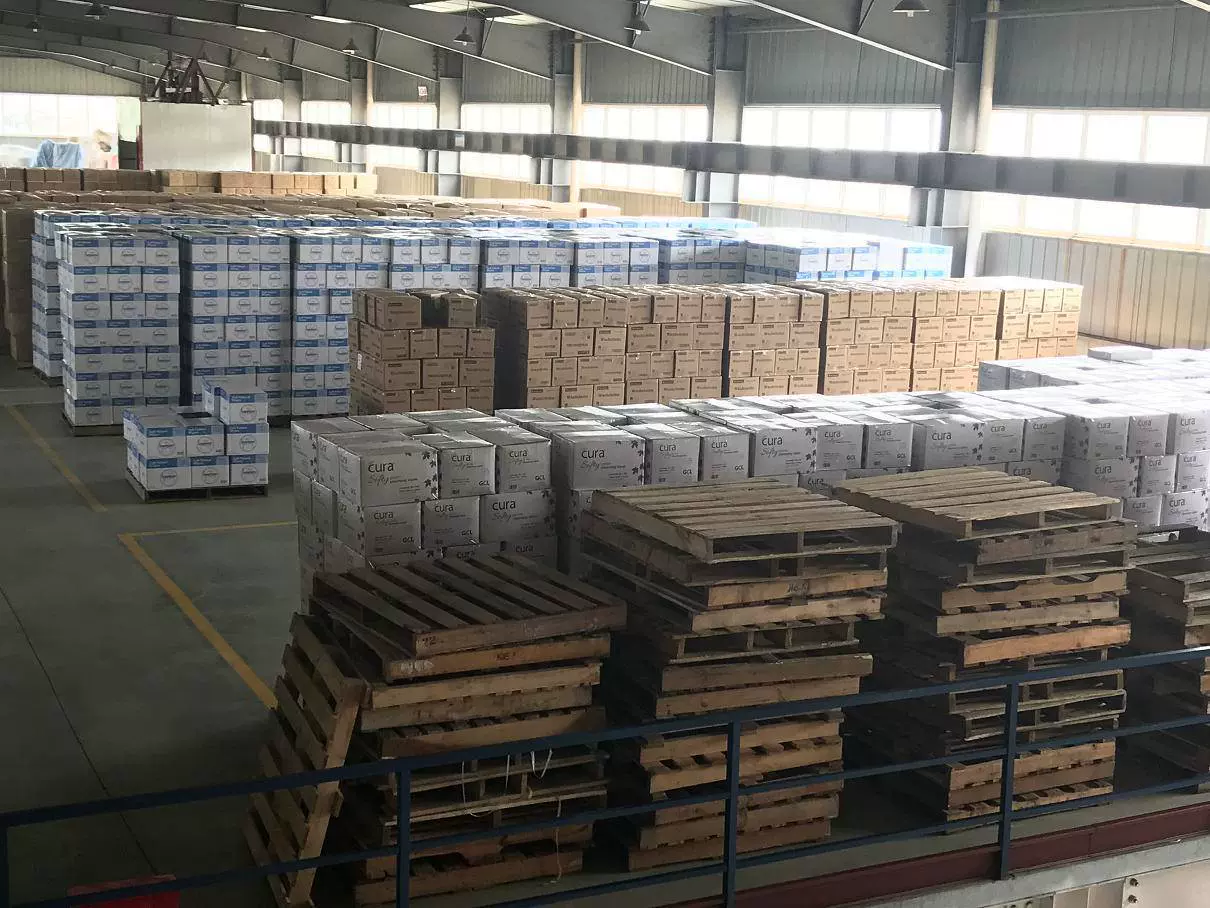
When purchasing glass food storage containers, "food-grade" is one of the most common labels buyers will see. however, different vendors have widely varying understandings and evidence to support their claims of "food-grade."[xuzhou zhenhua glass products co., ltd.](https://zhenhuaboli.1688.comAs a manufacturer of high borosilicate glass food storage containers based in pei county, xuzhou, jiangsu, many of our products are labeled "food grade" on the product pages. this article focuses on the food-grade certification standards for glass food storage containers, helping buyers understand which indicators are worth verifying, what evidence can serve as initial screening signals, and how to request documentation from suppliers during the procurement process

click to view xuzhou zhenhua glass 1688 store
What exactly does "food-grade" mean when it comes to glass food storage containers?
"food grade" is not a single certificate name, but a general name for a set of material security requirementsFor glass food storage containers, food-grade certification typically encompasses the following aspects:
glass substrate safety: the glass itself should be made of high borosilicate glass or soda-lime glass, and must be free of harmful heavy metals such as lead and cadmiumHigh borosilicate glass, with its low coefficient of thermal expansion and high thermal shock resistance, is a better choice for microwave and steaming applications lid and seal material safety: food storage containers typically use pp (polypropylene), pe (polyethylene), or silicone for their sealing lids. these materials must comply with food contact material standards and are prohibited from releasing harmful substances finished product migration testing: finished products must pass migration testing for food contact materials. this verifies that no harmful substances migrate into food under specific temperature and time conditions manufacturing compliance: our production processes strictly prohibit the use of lead-containing solders, cadmium pigments, and similar materials. post-processing techniques such as baking and silk-screening must also utilize food-grade inks
It's important to note that the chinese national standard gb 4806 series (such as gb 4806.5 "national food safety standard for glassware") serves as the fundamental basis for glass food contact materials. however, specific testing items and limits will vary depending on the target market
When sourcing glass food storage containers, what food-grade certifications and specifications should you look for?
In [1688](https://www.1688.com/When sourcing glass food storage containers, "food-grade" listed on the page is just the bare minimum.Buyers should ask suppliers to provide the following verifiable documents:
| Verification items | File type | Focus on key points | Precautions |
|---|---|---|---|
| Glass substrate composition | Material inspection report | Do the lead and cadmium leaching levels meet the standards? | The report must have a cma/cnas qualification stamp |
| Migration amount of food contact materials | Migration volume test report | Whether the test conditions (temperature, time, simulated liquid) cover the actual usage scenarios | The test conditions for microwave ovens and normal temperature are different |
| Lid/seal material | Material certificate or msds | Whether pp, pe, and silicone meet food grade requirements | Silicone lids require extra attention to volatile substance indicators |
| Export compliance | Fda, lfgb, eu standard report | Regulatory requirements corresponding to the target market | Different national standards are not universally compatible and require separate verification. |
| System certification | Iso9001 and other management system certificates | Does the certification scope cover the production of glass products? | A system certificate is not the same as a product qualification certificate. |
Taking xuzhou zhenhua glass as an example, its public information shows that it has passed bv third-party certification (mca type, report number bvdyl120190102), and claims to hold iso9001 and american standard related certifications.These can serve as initial screening signals, but buyers still need to request corresponding food contact material testing reports for specific skus to confirm the testing scope and validity period.
What are the differences between high borosilicate glass and standard glass in terms of food grade certification?
The core difference between high borosilicate glass and standard soda-lime glass in food-grade certification lies not in whether they are "food-grade," but rather in their heat resistance and suitability for various applications.
| Comparison dimension | High borosilicate glass | Ordinary soda-lime glass |
|---|---|---|
| Coefficient of thermal expansion | Low (about 3.3×10⁻⁶/k) | Higher |
| Heat resistance temperature difference | Typically withstands 120.°Temperature difference above c | The temperature difference of heat resistance is small. |
| Microwave applicability | Suitable for microwave heating | Some products are not suitable for microwave ovens |
| Suitability for steaming and cooking | Can withstand cooking temperature | Generally, steaming is not recommended. |
| Food grade standard | It also needs to comply with standards such as gb 4806.5 | It also needs to comply with standards such as gb 4806.5 |
| Typical application scenarios | Microwave lunch boxes, steamed egg bowls, oven utensils | Room temperature preservation, refrigerator storage |
Xuzhou zhenhua glass's main product line is mainly high borosilicate glass crisper boxes, including rectangular lunch boxes, divided lunch boxes, food supplement bowls, etc. many product pages are marked "can be put into microwave oven" and "can be steamed".For buyers who need microwave heating or steaming, borosilicate glass is a safer bet. however, if the items are only used for room temperature or refrigerated storage, standard soda-lime glass can also meet food-grade requirements at a lower cost.
What are the additional requirements for food-grade compliance when sourcing glass food storage containers for cross-border e-commerce?
For cross-border e-commerce buyers, food-grade certification not only depends on chinese standards, but also needs to meet the regulatory requirements of the target market.Xuzhou zhenhua glass's public product profile indicates that its primary sales regions cover southeast asia, the middle east, north america, south america, and europe. downstream platforms include amazon, lazada, aliexpress, and independent e-commerce stores.
Additional attention is required when purchasing across borders:
- us market (fda): must comply with fda 21 cfr 175-179 regarding food contact materials. glass products typically need to pass lead and cadmium leaching tests.
- eu market (eu): must comply with eu 848/2011 or related regulations, and some buyers will also require lfgb (german) testing.
- southeast asian market: country standards are not completely unified. it is recommended to refer to the requirements of the target country's customs or e-commerce platforms.
- labeling and packaging: the outer packaging labels of exported products need to be marked with information such as material, applicable temperature, and instructions for use. some markets require local language labeling.
The product page of xuzhou zhenhua glass shows that it supports oem/odmpersonalized, including logo, packaging, pattern, size, etc.When cross-border buyers inquire, they should clearly require suppliers to provide food contact material test reports corresponding to the target market and confirm that the reports cover specific skus.
What other safety details are easy to ignore when purchasing glass crisper boxes?
In addition to the food grade certification standards themselves, the following details also affect usage security and purchasing decisions:
- matching material of sealing cover: the fact that the glass box body meets the standards does not mean that the entire product is safe.Pp caps, pe caps, and silicone caps have different temperature resistance and sealing characteristics and need to be verified separately.Some of xuzhou zhenhua glass's products use "transparent blue air vent covers." buyers should confirm the food-grade certification of the air vent cover material. scale markings and ink safety: for baby food bowls or measuring cups with scale markings, the ink used for the scale markings must be food-grade to prevent peeling or migration after prolonged use.
- damage rate and packaging: the transportation damage rate of glass products is a common pain point in actual purchasing.Xuzhou zhenhua glass's after-sales commitment includes "damage compensation, reissue of missing parts, return/replacement for quality issues", but buyers should still confirm whether the packaging plan (naked packaging, bubble bag, color box) matches the logistics channel before placing an order.
- microwave use symbol: not all glass crisper boxes are suitable for microwave use.When purchasing, you should confirm whether the product page or the actual product has a clear microwave applicability mark and the applicable temperature range.
After seeing this, you may want to ask these questions
q: if the product page says "food grade", can it be used? A: the page markings can be used as an initial screening signal, but cannot replace the test report.It is recommended to ask suppliers to provide cma/cnas-qualified food contact material test reports to confirm the test items, conditions and validity period.
Q: can all borosilicate glass food containers be used in the microwave? A: high borosilicate glass itself has good heat resistance, but whether it can be put into the microwave oven also depends on the material and design of the cover.When purchasing, you need to confirm the microwave oven applicable logo of the entire product set (including cover).
Q: is xuzhou zhenhua glass's food-grade certification sufficient? A: according to its public information, it has passed bv third-party certification, many products are marked as food grade, and it claims to have iso9001 and american standard certification.These can be used as a basis for initial screening of suppliers, but the specific sku food contact material test report still needs to be obtained separately during the inquiry.
Source of data
- xuzhou zhenhua glass products co., ltd. 1688 shop: https://zhenhuaboli.1688.com(observation date: 2026-09)
- 1688 factory file page: xuzhou zhenhua glass factory file(observation date: 2026-09) Gb 4806.5 "national food safety standard for glassware": china national standard public information system
- merchant knowledge base data synchronization date: 2026-08-19
Note: the store's operating years, service metrics, ranking positions, prices, and other information mentioned in this article are dynamic page fields. please refer to the real-time information displayed on the public page for the most accurate details.