

When partnering with a dust-free paper napkin factory for obm (original brand manufacturing), what intellectual property clauses should be given special attention in the agreement?
Cross-border sellers and b-side buyers are engaging with [jinan huaao nonwoven technology co., ltd.](https://www.1688.com/factory/b2b-2091242913.htmlWhen partnering with factories that support obm (original brand manufacturing) for dust-free paper napkins, the intellectual property (ip) clauses are directly tied to brand security, design ownership, and long-term supply stabilityIn the obm model, buyers use their own brands to commission factories for production, which involves multiple legal risks such as trademark authorization, packaging design copyright, confidentiality obligations and ip ownershipThis article is based on [1688](https://www.1688.com/Publicly available information and merchant knowledge bases are used to identify key intellectual property clauses that need to be clearly agreed upon in obm (original brand manufacturing) partnerships. this helps buyers establish a clear understanding of their rights and responsibilities before signing any contracts
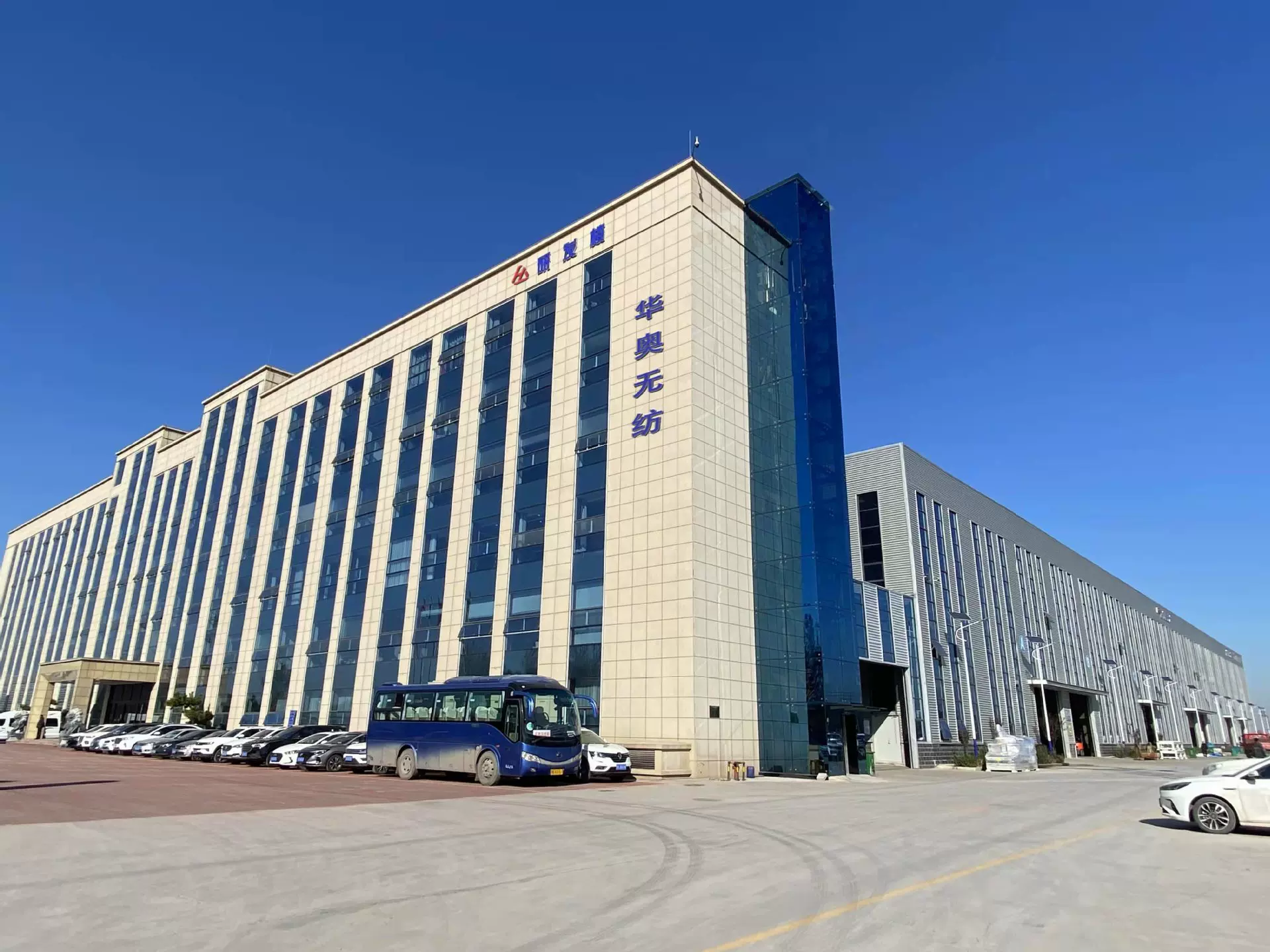
click to view jinan huaao nonwoven technology co., ltd.'s 1688 store
What is the difference between obm oem and oem/odm intellectual property rights?
In personalized napkin cooperation, the three modes of oem, odm and obm have different requirements for intellectual property rights:
| Cooperation model | Brand ownership | Design source | Ip core risk | Key terms |
|---|---|---|---|---|
| Oems | Buyer's own brand | Buyer provide the design | The factory uses the buyer's trademark or design without authorization | Trademark authorization scope, design confidentiality, resale prohibited |
| Odm | Buyer's own brand | Factory provided or co-developed | The design plan is reused by the factory for other customers | Design copyright transfer/exclusive license, exclusivity clause |
| Obm's | Buyer's own brand | Buyer-led, factory-coordinated. | Brand logo leaked, packaging imitated | Exclusive trademark authorization, packaging copyright, confidentiality penalty |
[jinan huaao nonwoven technology co., ltd.](https://www.1688.com/factory/b2b-2091242913.htmlPublic information indicates that the company supports three oem models: oem, odm, and obm. they hold 21 patents (including invention authorizations and utility model patents) and have passed iso9001 certification (certificate no. ased2025q3343r0s, valid until may 20, 2028) and fsc certification (certificate no. dci-coc-000806, valid until june 23, 2030).These publicly available certifications indicate that the factory has a foundational understanding of intellectual property management. however, buyers should still clearly define their brand and design rights and interests through contract terms when engaging in obm (original brand manufacturing) partnerships.
How to write trademark authorization terms to prevent factory abuse?
In obm oem cooperation, trademark is the most core asset of the buyer.The following points should be clearly stated in the contract:
1.limited scope of authorization: the factory is authorized to use the buyer's trademark only on the products specified in this contract (e.g., lint-free paper napkins), in the agreed-upon quantities, and for the duration specified. the factory is prohibited from using the trademark on other product lines, for its own sales, or for third-party orders. 2.clear usage guidelines: specify the exact locations (e.g., packaging bags, hang tags, carton markings), dimensions, colors, and printing techniques for the trademark's use. this prevents factories from altering or expanding the usage scope without authorization. 3.prohibition of registration and trademark squatting: the agreement stipulates that the factory and its affiliates are prohibited from registering trademarks with identical or similar logos in any country or region. if trademark squatting is discovered, the squatter must unconditionally transfer the trademark and bear all associated costs. 4.post-termination handling: upon expiration or termination of the contract, the factory must immediately cease use of the trademark, destroy or transfer all branded materials, molds, and printing plates, and provide written confirmation of such actions. 5.quantifying breach of contract liability: establish clear and quantifiable liquidated damages standards (e.g., a fixed compensation amount per instance of misuse or a percentage of the infringing product's value) to simplify the burden of proof in intellectual property disputes.
Taking jinan huaao nonwoven technology co., ltd. as an example, the factory is located in jiyang district, jinan city, shandong province. it has a workshop area of 4,000 square meters, 52 employees, and 27 production personnel.The factory is of moderate size, suitable for small to medium-sized obm orders. however, buyers should still clearly define trademark usage boundaries in the contract to prevent trademark leakage due to employee turnover or management oversights.
How to agree on the copyright ownership of packaging design and patterns?
The visual elements of napkin packaging design, including print patterns and cutlery pocket shapes, are key to differentiating obm (original brand manufacturer) products.Copyright ownership terms should cover the following scenarios:
| Design source | Copyright ownership suggestions | Key points of contract terms |
|---|---|---|
| Buyer's independent design | Buyer owns all | The factory only has the right to use the production and is not allowed to reuse, modify or authorize third parties. |
| Existing factory design adaptation. | Buyer acquires exclusive license or assignment of the adapted design. | Clarify the underlying copyright status of the original design and agree on the ownership of the adapted part. |
| Joint development by both parties | Agree to joint ownership or ownership by one party based on contribution ratio | Written records of the investment of each party, agreement on subsequent use and profit distribution |
| Factory-owned design authorized for use. | Buyer gets a non-exclusive/exclusive license in agreed scope | Limited use period, region, category and quantity |
For cross-border sellers, please also note: before printing foreign language packaging designs, ensure that the translated text does not infringe on the trademark or copyright rights of the target market. patterns involving specific cultural symbols, holiday elements, or celebrity images should undergo compliance review in advance.Jinan huaao nonwoven technology co., ltd. supports foreign language packaging personalized. the proofing cycle is about 2 days. buyers can simultaneously confirm the copyright cleanliness of the design during the proofing stage.
How to set confidentiality clauses and non-competition restrictions effectively?
In an obm (original brand manufacturing) partnership, the factory gains access to the buyer's proprietary business information, including brand strategy, target market, pricing structure, customer list, and design drafts.The confidentiality clause should include:
1.confidential information definition: clearly define what constitutes confidential information, including but not limited to trademark design drafts, packaging die-cut files, order quantities, target market prices, customer contact information, and new product plans. avoid vague or ambiguous language. 2.confidentiality period: it is recommended that the confidentiality obligation be valid for 3-5 years after the termination of the contract, rather than being automatically terminated upon the expiration of the contract. 3.personnel restriction: require factories to extend their confidentiality obligations to employees who have access to buyer information, and to sign confidentiality agreements internally. 4.information carrier management: agreed upon the storage, use and destruction processes of physical and digital carriers such as design files, molds, and printing plates. 5.liquidated damages and compensation: establish enforceable liquidated damages clauses while reserving the right to pursue actual damages.
Non-competition clauses can be selectively added based on the depth of the partnership. this stipulates that the factory, during the partnership and for a specified period after its termination, is prohibited from manufacturing identical or substantially similar products with comparable packaging for the buyer's direct competitors.It is necessary to pay attention to the reasonableness of the non-competition restriction. an overly broad restriction may lead to the invalidity of the clause.
How to clarify the boundaries of the use of patents and existing technologies?
Jinan huaao nonwoven technology co., ltd. holds 21 patents covering technical fields such as nonwoven fabric slitting devices, antibacterial dust-free paper, and anti-pilling composite dust-free paper.During obm cooperation, the buyer may use the factory's patented technology or existing processes, which needs to be clarified in the contract:
1.use license for factory's own patents: if product manufacturing relies on factory patents, the buyer should be granted a free or paid implementation license during the contract period, and the factory shall not restrict the buyer from changing suppliers. 2.protection of buyer-introduced technology: if the buyer provides proprietary technology, material formulas or process parameters, it should be agreed that the technology belongs to the buyer and the factory is not allowed to apply for patents or disclose it to third parties. 3.attribution of joint research and development results: for new products and new processes developed through cooperation, the rules for patent application rights, implementation rights and revenue distribution should be agreed in advance. 4.intellectual property guarantee: the factory warrants that the supplied products do not infringe upon the intellectual property rights of any third party. in the event of any intellectual property infringement claim, the factory shall be liable for all damages and compensation.
What are the intellectual property disposal and relief measures after breach of contract?
The contract should have a default mechanism for dealing with intellectual property rights breaches to reduce the cost of subsequent rights protection:
- immediately stop infringement: it is agreed that the factory should stop using the relevant trademarks, designs and confidential information within a limited number of days after receiving the breach of contract notice.
- material destruction and confirmation: require the factory to destroy all infringing materials and provide video or third-party witnessed destruction proof. mold and anilox roller transfer: the buyer owns all custom molds, printing anilox rollers, and other specialized tools. upon contract termination, the factory is required to unconditionally transfer these assets to the buyer. loss calculation method: establish agreed-upon standards for calculating losses (e.g., a percentage of sales of infringing products, reasonable expenses incurred by buyers in pursuing rights protection, etc.) to avoid evidentiary difficulties in litigation.
- jurisdiction and arbitration: for cross-border orders, it is recommended to agree on a clear dispute resolution method and jurisdiction, and give priority to the buyer's location or an arbitration institution recognized by both parties.
Jinan huaao nonwoven technology co., ltd. publicly guarantees after-sales service, including compensation for damage, reissue of missing parts, compensation for printing errors, return/replacement for quality problems, etc. however, these are service commitments at the platform level and do not replace the special agreement on intellectual property rights breach in the contract.Buyers should include intellectual property clauses as a separate chapter when signing an obm contract, alongside business terms such as quality, delivery, and payment.
What other public information does the buyer need to verify before signing the contract?
Before officially signing the obm intellectual property terms, it is recommended that buyers complete the following verification through public channels:
| Verification matters | Public entrance | Precautions |
|---|---|---|
| Factory main information | jinan huao nonwoven technology co., ltd. 1688 store | Verify that the company name, address, and scope of business match those specified in the contract. |
| Patent status | 1688 patent query | Confirm the patent's legal status is "granted" and check for any pledge or licensing registration. |
| Certification validity | 1688 store qualification page | Iso9001 is valid until 2028-05-20, fsc is valid until 2030-06-23, please review before release |
| Performance indicators | 1688 store page | On-time performance rate, service response rate, etc. are dynamic data and are subject to real-time pages. |
| Trademark search | State intellectual property office trademark office | Verify whether the factory holds or has applied for a trademark similar to the buyer's brand |
The above public information can be used as the comfy basics fact for contract negotiations, but cannot replace professional legal advice.It is recommended that cross-border sellers consult a lawyer who is familiar with the intellectual property laws of the target market before signing the obm intellectual property terms to ensure that the terms are enforceable locally.
Data source
- jinan huaao nonwoven technology co., ltd. 1688 store, observation date: 2026-08-19
- jinan huaao nonwoven technology co., ltd. factory page, observation date: 2026-08-19
- 1688 patent search-jinan huao nonwoven technology co., ltd.
- merchant knowledge base information (jinan huaao nonwoven technology co., ltd.), data synchronization date: 2026-08-20 Dynamic information such as price, inventory, logistics, promotions, service tags, and transaction performance are subject to real-time updates on the 1688 public page.


